
Home Contact Sitemap login Checkout

1-866-521-2726

Contact Us

Patient Login

Free Shipping

Careers

Advanced Respiratory Care Network
  • Home
  • Respiratory Diagnostics
    • Respiratory Diagnostics
    • Allergy Testing
    • Pulmonary Function Testing
  • Oxygen Services
    • Oxygen Services
    • Home Oxygen Safety
    • Traveling with Home Oxygen
    • Home Oxygen Equipment
  • Sleep Apnea
    • Sleep Apnea
    • Symptoms
    • Diagnosis
    • Treatment
    • Tips for Sleep Apnea
    • Risk Factors and Identifiers
    • Sleep Education
      • Sleep Education
      • Humidity and CPAP
      • Improving Sleep Therapy
      • What to Expect
      • Choosing a Mask
      • Understanding Mask Leaks
      • Care of Equipment
      • Equipment Replacement
      • CPAP Treatment Tips and Benefits
      • Traveling with CPAP Equipment
      • Sleep Apnea and Cardiac Disease
      • Sleep Apnea and Diabetes
      • Sleep Apnea and Hypertension
      • Sleep Apnea and Stroke (Cerebrovascular Disease)
      • Video Links
    • Helpful Links
  • Sleep Diagnostics
    • Sleep Diagnostics
    • Full Sleep Studies
    • Portable Sleep Monitor
  • Cardiology
    • Cardiology
    • Cardiology Consultation
    • Cardiology Diagnostics
  • Shop
    • Shop
    • CPAP and BiPAP Machines
    • CPAP Masks
      • CPAP Masks
      • Nasal Masks
      • Full Face Mask
    • CPAP Accessories
  • Contact
    • Contact
    • Edmonton Area
    • Camrose
    • Wetaskiwin
    • Red Deer
    • Calgary Area
  • Blog
Print This Page

Recommendations for Asthmatics During Wildfire Season

If you live with asthma and are still in an area impacted by the wildfires, or are in a banned area, here are tips to help you!

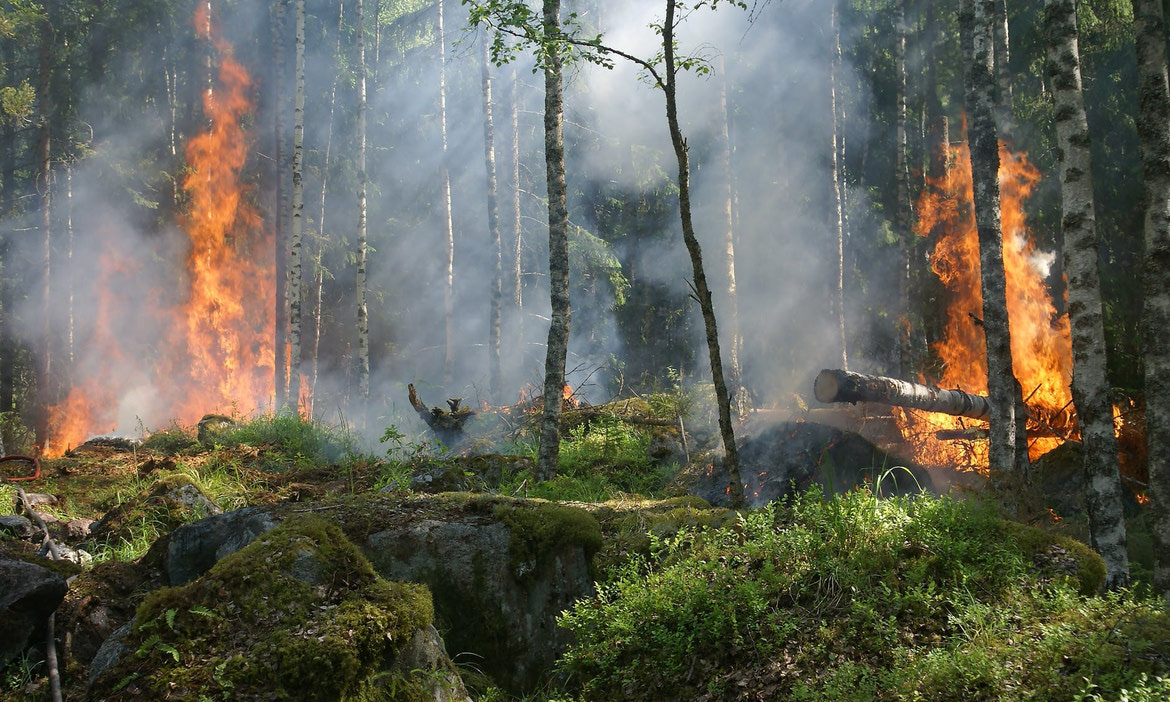
Wildfire season started early this year in Alberta, but unfortunately, that doesn’t mean it’s quite over yet. This wildfire smoke contains particles that can irritate your eyes, nose, throat and lungs so if you have allergies, you’re at a much higher risk for worsened effects when the air quality is poor. If you’re an asthmatic and are still in an area amongst the wildfires, or are in a banned area, there are tips to help you!


Be Prepared


Making sure you’re ready before fire season begins is vital in how the season will play out for you. There are a few ways you can be prepared. It’s a great idea to get your house clean and have all of the windows closed. This will keep you protected when you are in your home. You can also get an appropriate mask for when you go outdoors. In case of an evacuation, you’ll also want to be prepared to evacuate with your personal belongings that mean the most to you and a disaster kit in case of emergency. 


Protect Yourself 


Keeping yourself protected when the season starts is also one of the most important things you can do, especially if you have asthma. Being ‘downwind’ from the wildfire zone is when you want to be most cautious. You can protect yourself by checking the local air quality as well as seeing where the local fire bans are. You can also protect yourself by…

  • Staying indoors as much as possible. 
  • Keeping all doors and windows closed. 
  • Wearing a mask when outdoors.
  • Carrying relief medicine with you at all times. 
  • Considering using an air filter, cleaner or HVAC system to improve the air quality in your home. 


Check In With Your Doctor 


It is recommended that people with asthma or other lung diseases, cardiovascular diseases or diabetes should check with their physician before, during and after wildfire season to see how their body is performing and if they need to change any medication to cope with the smoky conditions. It’s important to go see them right away if you are noticing large changes in your condition due to the smoke as this can cause further issues if left untreated. 


Avoid Clean Up 


After the season is over or a disaster occurs, many residents and volunteers will lend a helping hand during clean up. If you have a heart or lung concern, it is important to sit this one out. You should avoid the dust and soot, keep your face covered with a mask and stay clear from the area. Although you cannot help with clean up, there are many other ways you can help! Offer to bring water, supplies or food to the volunteers instead. 


Now that you have some recommendations on what to do during wildfire season, you should feel safe and prepared for what could come. It is always important to remember that safety should be your main concern, so if something is ill advised or there is a ban in your area - stay clear! If you have asthma or a different lung or heart condition and are looking for medical attention, feel free to contact Advanced Respiratory Care Network for a consultation.

Top 5 Questions Albertans Ask About Lung and Heart Health in the Winter

We've rounded up the top 5 questions Albertans ask every winter, plus clear, practical answers to help you breathe easier and stay healthy when the temperatures drop.

How to Manage Your Child’s Asthma and Prevent Infections This School Year

Back-to-school is exciting, but for kids with asthma, it can also mean more germs, triggers, and missed school days. We've put together practical tips to prevent flare-ups and infections so your child can start the year breathing easier.

Beyond CPAP: 7 Lifestyle Changes for Enhanced Therapy Success
When a Cough Isn’t “Just a Cold.” 5 Signs It’s Time for a Lung Health Check

That cough that just won't quit? It might be more than a cold. We've put together 5 signs it's time for a lung health check. How many do you check off? Find out today.

Common Lung Disease in Males

Lung disease is a very serious topic, and it affects many individuals in their day-to-day life. Over 34 million Americans are living with lung disease today.

Show more from Blog
3 Ways to Improve Your Lung Health

It's common for individuals to overlook their lung health until a respiratory problem occurs. Rather than waiting for a lung issue to happen, it's a good idea to make these lifestyle changes now to prevent those issues from ever happening.

What is a PFT?

There are many reasons why your doctor might request this test and knowing these reasons along with what to expect is beneficial to the process. In this blog, we'll explain what a PFT is, why someone might need one and how ARCN performs them.

Best Practices for COVID Infection Control

As you and your loved ones start venturing out, it's important to continue practicing safety guidelines established by the CDC for COVID-19 infection control. Keep reading to learn how you can stay safe as you travel around town and the country.

How to Deal With Dry Mouth and Other CPAP Side Effects This Winter

Winter can bring along some unique challenges, especially for those who rely on CPAP (Continuous Positive Airway Pressure) therapy to manage sleep apnea.

Foods That Will Boost Your Immunity This Fall

Remember that you need to eat a variety of healthy foods to boost your immune system. Take a look at some great options to enjoy this fall!

Show more from Blog

Contact Advanced Respiratory Care Network

1-866-521-2726


Visit Locations

Edmonton North
Edmonton South

Sherwood Park

Spruce Grove

Camrose
Red Deer

Calgary Northeast

Calgary Northwest

Calgary Southeast
Airdrie


SEE ALL LOCATIONS

Services

Respiratory Consultation & Diagnostics

Home & Travel Oxygen

Obstructive Sleep Apnea

Sleep Consultation & Diagnostics

Cardiology Consultation & Diagnostics


Products

CPAP Masks
CPAP Parts
CPAP Accessories
CPAP and BiPAP Machines

Financial Services

Turn your healthcare expenses into easy monthly payments.


paybright

Copyright © 2023 ARC Network. All Rights Reserved.


Terms & Policies | Built on ShoutCMS