
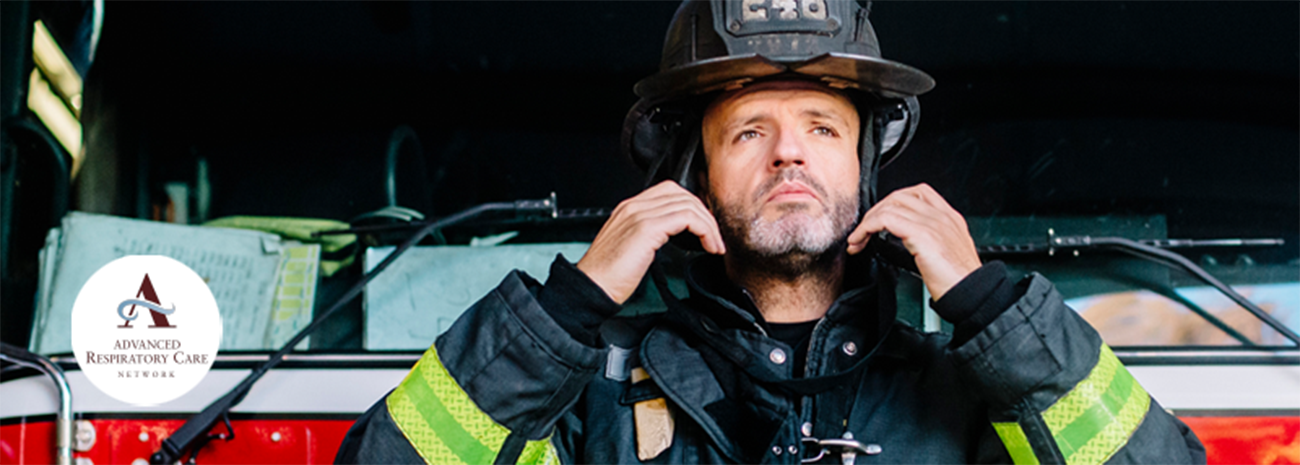
Every time firefighters run toward flames, they face more than heat and physical danger; they’re also exposed to a mix of airborne toxins that can affect lung health long after the fire is out.
Even with protective gear, training, and experience, repeated smoke exposure adds up over time. As wildfire seasons across Canada grow longer and more intense, and structural fires burn hotter and more chemically complex than in the past, protecting respiratory health has never been more important.
At Advanced Respiratory Care Network (ARC Network), we work with Canadians affected by smoke, pollution, and occupational exposures, offering respiratory testing and diagnostics to help identify changes early — before symptoms become harder to manage.
What Firefighters Are Really Breathing In
Smoke from fires is far more dangerous than it looks or smells. Research from Canadian and international health agencies shows that wildfire and structural fire smoke contain a complex mix of harmful substances, many of which can penetrate deep into the lungs.
Depending on the environment and materials burning, firefighters may inhale:
- Fine particulate matter (PM2.5) that reaches the deepest parts of the lungs
- Carbon monoxide, which interferes with oxygen delivery
- Volatile organic compounds (VOCs) such as benzene and formaldehyde
- Nitrogen oxides and other irritant gases
- By-products of modern building materials, including plastics, foams, treated wood, and electronics
These microscopic particles can remain suspended in the air long after flames are extinguished and can travel hundreds of kilometres, increasing exposure risk even during mop-up or overhaul phases.
Canadian studies of wildland firefighters have shown that measurable respiratory changes can occur within a single fire season, especially with repeated or prolonged deployments.
Short- and Long-Term Effects of Smoke Exposure
Many firefighters notice respiratory symptoms right away, such as sore throats, coughing, or shortness of breath on the fireline. While some symptoms fade, others may persist or reappear later.
According to the American Lung Association and occupational health research, repeated exposure to smoke and combustion by-products increases the risk of long-term respiratory problems.
Short-term symptoms may include:
- Persistent coughing or wheezing
- Chest tightness or discomfort
- Hoarseness or throat irritation
- Shortness of breath during activity
Long-term risks can include:
- Chronic bronchitis
- Asthma or airway hyper-responsiveness
- Reduced lung capacity
- Lingering airway inflammation
- Increased cancer risk, including lung cancer
Canadian firefighters have reported declines in lung function following wildfire seasons, reinforcing the importance of ongoing respiratory monitoring, even when symptoms feel mild.
Why Regular Respiratory Testing Is So Important
One of the most effective ways to protect firefighter lung health is early detection. Changes in lung function often begin quietly, before noticeable symptoms appear.
Pulmonary Function Testing (PFT) is a non-invasive, evidence-based tool that allows healthcare providers to track how well the lungs are working over time.
Regular respiratory testing can help firefighters:
- Establish a personal lung function baseline
- Detect early airway or airflow changes
- Identify reduced lung capacity or oxygen exchange
- Track recovery after heavy smoke exposure
- Support fitness-for-duty and return-to-work decisions
Studies of occupational smoke exposure show that even short-term wildfire exposure can cause measurable changes in lung markers, particularly in smaller airways that don’t always produce obvious symptoms right away.
Learn More About Pulmonary Function Testing
Who Is Most at Risk?
While all firefighters face smoke exposure, certain roles and conditions increase risk:
- Wildland firefighters, exposed to fine particulates over long outdoor shifts
- Urban firefighters, exposed to toxins from burning synthetic materials
- Firefighters working extended seasons with limited respiratory protection during overhaul
- Those with a history of asthma, respiratory illness, or reduced baseline lung function
- Firefighters exposed to diesel exhaust from apparatus and station environments (classified as a carcinogen)
Without regular monitoring, these exposures can lead to cumulative respiratory damage over time.
Practical Ways Firefighters Can Protect Their Lungs
Smoke exposure may be part of the job, but long-term damage doesn’t have to be. ARC Network encourages firefighters to take a layered approach to lung protection:
- Use approved respiratory protection whenever possible, including during overhaul
- Stay current on respirator fit testing and training
- Monitor air quality conditions during and after incidents
- Schedule regular pulmonary function testing
- Seek medical assessment after major smoke exposure, even if symptoms seem minor
Early evaluation can help catch subtle changes before they become chronic problems.
How ARC Network Supports Firefighter Lung Health
ARC Network provides respiratory diagnostics and consultations designed for individuals exposed to smoke, pollution, and occupational hazards.
Our services include:
- Pulmonary function testing
- Respiratory consultations
- Oxygen assessments
- Ongoing support for chronic respiratory conditions
With locations across Alberta, we help firefighters and departments access timely testing and expert guidance — without unnecessary delays.
Your Lungs Protect Others. Let's Protect Yours.
Firefighters dedicate their careers to protecting communities. Supporting their long-term lung health isn’t optional — it’s essential.
Regular respiratory testing provides clarity, reassurance, and early intervention that can make a meaningful difference across a firefighter’s career and into retirement.
If you’re a firefighter, or responsible for firefighter health and safety, now is the time to make lung health a priority.
Book a Respiratory Screening with ARC Network